Mental Health in Lake Worth - Boynton Beach - Greenacres - Royal Palm Beach - West Palm Beach - Wellington Florida

Tag: Anxiety

AI vs Talking to a Local Therapist / Mental Health Counselor

Human Connection in an AI World: Why Talking With a Real Person Still Matters

Artificial intelligence is becoming part of our everyday lives.  We ask AI questions, use it to organize our thoughts, look up information, and sometimes even turn to it when something is bothering us.

There is nothing unusual about that. Technology can be incredibly useful.  But after years of working with people here in Palm Beach County, I believe there is something technology cannot truly replace: the experience of sitting with another human being who is there to listen to you. I’m Jennifer Brugger, LMHC, with Safe Space Talk Therapy in Greenacres, Florida. My work has given me the opportunity to sit down with people from Greenacres, Wellington, Lake Worth, West Palm Beach, and communities throughout Palm Beach County.  Every person who walks through the door brings a different life story with them.  That’s something worth remembering in a world increasingly filled with computer-generated answers.

A Computer Can Read Your Words. A Person Experiences the Conversation.

Think about the difference between sending someone a text message and sitting across from them.  The words may be exactly the same, but the conversation isn’t.  When two people are in the same room, communication happens in many different ways.

  • There can be a pause before answering a difficult question.
  • A person’s voice may change when a certain subject comes up.
  • Someone may laugh even though what they’re talking about doesn’t seem particularly funny.
  • Sometimes a person says, “I’m fine,” while struggling to find the words to explain how they really feel.
  • Those very human moments are part of a conversation too.

Technology can process the words we give it. Human beings experience the conversation along with us.

Sometimes We Don’t Know What We Want to Say Until We Start Talking

One of the interesting things about being human is that we don’t always understand exactly what we’re thinking or feeling.  We may believe we’re frustrated about one thing and gradually realize something completely different has been bothering us.

  • We can change our minds.
  • We can contradict ourselves.
  • We can struggle to explain why something matters so much.
  • And sometimes, we simply don’t know the right question to ask.
  • That’s one of the things I value about real conversation.

You don’t have to arrive with the perfect question or perfectly organized thoughts. Sometimes understanding begins simply by talking and allowing the conversation to unfold.

Every Person in Palm Beach County Has Their Own Story

Palm Beach County may be one community on a map, but the people who live here have incredibly different lives. Someone living in Wellington may be facing something completely different from someone in Greenacres, Lake Worth, Boynton Beach, or West Palm Beach.  Our families are different, relationships are different, our jobs are different and our backgrounds are different.  Even two people experiencing what appears to be a similar situation can experience it in completely different ways and that’s why I believe context matters.  A human conversation isn’t simply about one question and one answer. Over time, it’s possible to learn more about a person’s experiences, the people important to them, what they value, and what they hope will be different in their lives.

Relationships Are Even More Complicated

This becomes especially apparent when two people are trying to understand each other. Imagine two partners describing the same disagreement.

One says:

“You never listen to me.”

The other responds:

“I try to listen, but you never tell me what’s wrong.”

Who is right?

That’s probably not the most useful question. Both people are bringing their own experiences and perspectives into that conversation. Real communication involves more than analyzing the sentences each person says. There is a relationship and a history behind those words.  Sometimes what appears to be an argument about schedules, household responsibilities, money, work, family, or phones isn’t only about the immediate disagreement. There may be a much bigger conversation waiting underneath it.

If you’d like to learn more about my work with relationships, contact me about Couples Counseling in Greenacres.

AI Isn’t the Enemy

I don’t believe we need to be afraid of technology.  AI can be a useful tool for learning, organizing information, exploring ideas, or helping us think of questions we hadn’t considered before.  But a tool doesn’t have to replace human connection to be valuable. There is a difference between receiving information and having a conversation with another person who is giving you their attention. Sometimes we want an immediate answer.

Other times, we simply want someone to hear what we’re trying to say, and I am here for you.

There’s Value in Being Known as a Person, Not a Prompt

Your story includes your experiences, relationships, family, work, successes, setbacks, hopes, disappointments, and countless little moments that helped make you who you are today.  That story cannot always be condensed into a question typed into a box.  And sometimes the most meaningful conversations don’t produce an immediate answer.   Being heard isn’t necessarily about finding the fastest answer. Sometimes it’s about having the space to discover what you really wanted to say.

A Human Connection Here in Palm Beach County

Safe Space Talk Therapy is located in Greenacres, Florida, and my work connects me with people throughout Palm Beach County, including Greenacres, Wellington, Lake Worth, West Palm Beach, Royal Palm Beach, Palm Springs, Lantana, Boynton Beach, and surrounding communities.

I’m proud to be part of the community I serve as for me, that local connection matters.  Behind every appointment is a real person with their own experiences, relationships, concerns, personality, and story.  Technology will continue to change. AI will become more sophisticated. The ways we communicate will continue to evolve. But I don’t believe our need for genuine human connection is going anywhere.

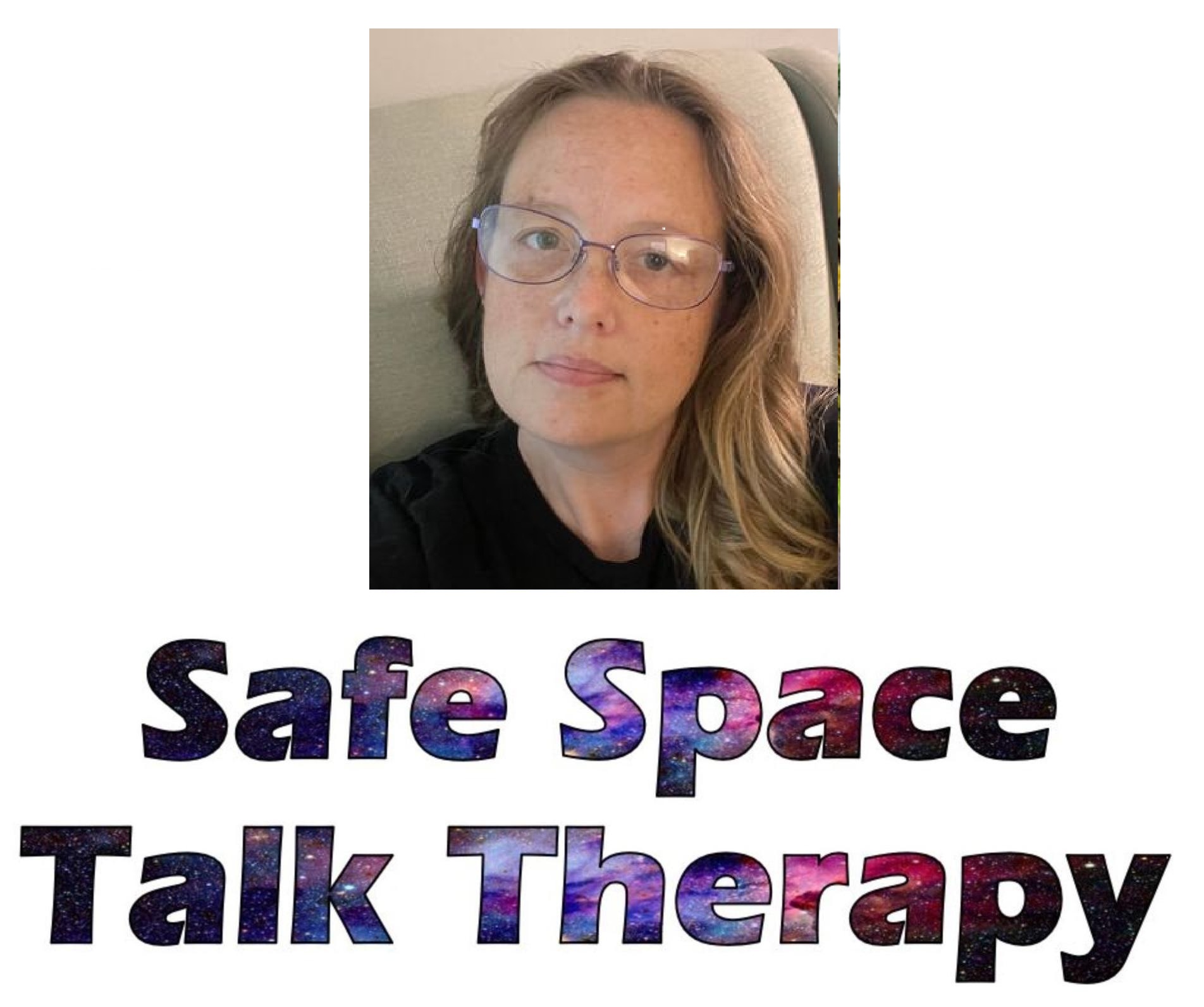
Meet Jennifer Brugger, LMHC

I’m Jennifer Brugger, LMHC, a Florida Licensed Mental Health Counselor with Safe Space Talk Therapy in Greenacres.  My goal is to provide an environment where people can have real conversations, explore what’s important to them, and feel that they have genuinely been heard.

Sometimes We Need More Than an Answer

AI can give us information in seconds.

  • That’s an extraordinary advancement.
  • But life isn’t always a question with a simple answer.
  • Sometimes we need time.
  • Sometimes we need conversation.
  • Sometimes we need someone to listen.
  • And sometimes there is something uniquely valuable about sitting across from another human being and knowing:

I’m not just entering a prompt, we will  have a conversation and you will see what can happen with local, real, conversations. 

Anxiety Management and Treatment – What is Anxiety?

Types of Anxiety

All About Anxiety and Treatment

The prevalence of anxiety disorders is very high in both children and adults in the US. Anxiety disorders impact more than 40 million American adults or approximately 18.1percent of the population, making it the most prevalent mental health disease.

Sadly, more than 63 percent of people who suffer from anxiety disorder do not seek professional treatment. Unfortunately, persons who grapple with anxiety disorders are six times more likely to be hospitalized for mental disorders than those who do not grapple with these conditions.

What is anxiety?

Anxiety is not necessarily a bad feeling. It is our body’s response to danger to our well-being. When you are under stress, being anxious is quite natural and will happen from time to time.

However, if the feelings of worry and dread don’t go away when you are no longer in danger, the chances are you are suffering from an anxiety disorder. Whether you are experiencing panic attacks, persistent fears, obsessive thoughts, or an incapacitating phobia, it is critical to understand that you do not have to continue living in fear and dread. Anxiety disorders are treatable with quality mental health.

The symptoms of anxiety disorder

Some symptoms of anxiety may include:

  • a constant sense of nervousness, panicky, or being on edge
  • excessive feelings of dread or fear
  • the sensation of being out of control
  • insomnia
  • lethargy or feeling exhausted
  • a very rapid heartbeat
  • dry-mouth
  • Inability to concentrate
  • shaky or unsteady
  • feeling light-headed
  • pains in the stomach, or diarrhea
  • excess perspiration
  • getting extremely hot

Types of anxiety disorders

Anxiety disorders may be grouped into many different categories, including:

Generalized Anxiety Disorder—GAD

GAD is a type of anxiety characterized by persistent worry, intense fear, and excessive tension, even when nothing provokes it.

Obsessive-Compulsive Disorder—OCD

OCD is an anxiety disorder whose characteristics include recurring, intense emotions (obsessions) and repeated actions (compulsions). A person grappling with OCD will typically perform repetitive activities such as bathing, hand washing, gardening, counting,  or checking to avoid or minimize obsessive thoughts and anxious feelings.

However, completing these so-called “rituals” offers only short comfort, and failing to do them increases anxiety.

Social phobia

If you have social phobia, you’ll typically be frightened of being judged or assessed poorly by others. This can make you afraid of doing anything that can embarrass you in public. Things like public speaking, attending a party, using public toilets, and eating and drinking in public may all trigger significant anxiety in some people.

Panic Disorder—PD

Panic Disorder is an anxiety condition marked by sudden and recurrent episodes of extreme terror, accompanied by discomforting physical symptoms such as chest pain, increased heart rate, difficulty breathing, confusion, or stomach trouble. A panic disorder may make you feel like you are experiencing a heart attack or choking.

Agoraphobia

Agoraphobia is often experienced as a result of panic episodes.  A person with agoraphobia is usually terrified of having a panic attack (or of anything terrible happening) in a particular location—typically outside someone’s house where they’re unlikely to get help.

Phobias

Phobias are characterized by an illogical, overpowering, and unreasonable fear of specific locations, circumstances, or items. Some of the most prevalent phobias include:

  • fear of flying (aerophobia)
  • fear of tight spaces (claustrophobia)
  • fear of heights (acrophobia)
  • fear of blood (hemophobia)
  • fear of needles (trypanophobia)
  • fear of water (hydrophobia)

Why Should You Consult a mental health specialist about your Anxiety?

Seek medical advice if you’re having persistent anxiety symptoms, as this condition can hurt all aspects of your life.

Anxiety can harm your physical health.

Anxiety can, on some occasions, create more mental anguish than physical symptoms. If you’re battling an anxiety disorder, though, you will most certainly experience physical symptoms that drain your energy and make it difficult to function normally. Sleeping problems, unusual muscle aches, and gastrointestinal issues are all possible symptoms.

Anxiety can affect more than one aspect of your life.

Generalized anxiety disorder, for example, can cause excessive worry about a wide range of life aspects, such as your profession, academic performance, and interpersonal relationships. You can be so worried about everyday life events like work responsibilities, your physical and mental health, and your family’s income that your entire life comes to a halt.

If not addressed, anxiety symptoms might last for months.

Typically, generalized anxiety disorder (GAD) is a long-term mental condition. This illness often appears on more days than not and can last even longer than six months. Expert help is often the only way out of this condition.

Anxiety symptoms can seriously interfere with your day-to-day activities

The extent to which anxiety problems affect your daily life is essential in diagnosing an anxiety disorder. Anxiety typically involves feelings of dread and tension that can cause clinically significant suffering, affecting your day-to-day functioning.

When should you consult a mental health professional / psychologist ?

Because anxiety is linked to various medical disorders, it’s always best to discuss it with a qualified therapist.

You do not have to experience all the earlier stated symptoms of anxiety to talk about them. Please don’t wait until your current symptoms get worse or new ones to appear before doing so. Today is an excellent opportunity to discuss anxiety disorder with a medical practitioner concerned about your health.  Prevention is always helpful in both mental and physical health.

 What is the best treatment for anxiety?

Anxiety may seem overpowering, but there are treatments available to help you feel better. The most often used treatment methods include:

Psychotherapy and counseling

Psychotherapy, often known as talk therapy, deals with mental health problems such as anxiety and depression through talking about the issue. Psychotherapy options suited explicitly for anxiety treatment include:

  • CBT (cognitive-behavioral therapy)
  • Mindfulness-based therapy
  • ET (Exposure therapy)
  • Interpersonal therapy
  • ACT (acceptance and commitment therapy
  • psychodynamic therapy

 Lifestyle changes

Complementary treatments and lifestyle changes for anxiety treatment include:

  • relaxation techniques
  • building self-esteem
  • deep inhalation
  • regular physical exercise
  • meditation and mindfulness
  • acupuncture therapy
  • good sleep practices
  • adoption of healthy lifestyle habits. Don’t use drugs or alcohol to cope.

Note – Anxiety disorder are sometimes caused by prescription medicine use (or misuse) or an underlying medical health problem. You may not be diagnosed with an anxiety condition if this is the case. Rather, your therapist can work with you to address the underlying ailment that is causing your worry.

The bottom line – Mental Health Anxiety Treatments

You may feel anxious or nervous because your body’s natural fight-or-flight response is activated. Anxiety isn’t always a negative thing when it is used appropriately. Staying awake and focused, solving difficulties, and being motivated are all benefits that you may get from it. However, when your worries and fears are persistent or pervasive and interfere with your work, schooling, sleep, and even relationships, it is vital to get professional help.

Sidebar